
How Much Does an ePOS System Cost?
 Kevin Harvey
Quoting a single number for ePOS system costs is not possible, because the range is genuinely wide. A small food trader can start for nothing beyond the cost of a card reader. A multi-site restaurant group will spend several hundred pounds a month on software alone. What matters is understanding the components that make up the total cost, so you can compare like with like when you evaluate options and avoid the common mistake of choosing on the software subscription price alone. For a grounding in what an ePOS system actually includes before getting into cost, see our guide.
The Main Cost Components
ePOS costs break into four categories, and each needs to be evaluated separately before you can make a meaningful comparison.
Software subscriptions are the recurring monthly or annual fee for the ePOS software itself. Hardware is the physical equipment you buy or lease to run the system. Transaction fees are the charges that apply each time you process a card payment, usually expressed as a percentage of the transaction value. Setup and implementation covers the costs of getting the system installed and configured, which can be significant for more complex operations.
Most providers emphasise the software subscription in their marketing because it is the most visible number. The total cost of ownership, which includes all four components, is often meaningfully higher.
Software Subscription Costs
Software pricing in the ePOS market ranges from free to several hundred pounds a month, and the structure varies considerably by provider.
Free tiers exist at the entry level of the market. Providers such as Square offer free software where the cost is recovered through transaction fees rather than a subscription. These work well for low-volume businesses with simple needs. The limitation is that free tiers typically cap the number of products, locations, or users, and more advanced features, such as detailed reporting, loyalty programmes, or multi-location management, are reserved for paid plans.
Mid-range subscriptions typically run from around £20 to £80 a month for a single-site business. At this level, most of the features a small business needs are included. Full stock management, accounting integrations, staff management, and in most cases unlimited products are all covered at this level. The price increases with the number of devices, locations, or users.
Higher-tier and enterprise plans, which include advanced features such as multi-site central management, API access, and dedicated account support, can run from £100 to several hundred pounds a month. These are primarily relevant to businesses with complex operations, multiple locations, or high transaction volumes.
Annual billing typically reduces the effective monthly cost by 10% to 20% compared to month-to-month contracts. If you are confident in your provider choice, committing to an annual plan is usually worth it. A month-to-month contract gives more flexibility but costs more over a full year.
Hardware Costs
Hardware is frequently the largest upfront cost in an ePOS implementation, and it is easy to underestimate if you only focus on the software subscription.
A basic tablet-based setup, using a consumer tablet as the terminal, can be put together for a few hundred pounds. A tablet stand (£30 to £80), a card reader (often provided free or at low cost by the payment processor), and a receipt printer (£80 to £150 for a basic thermal printer) are the typical components.
A more complete retail or hospitality setup, with a dedicated touchscreen terminal, cash drawer, barcode scanner, and kitchen printer or display, typically costs between £500 and £1,500 for a single station. For more on retail-specific ePOS requirements and hospitality-specific ePOS requirements that affect your hardware list, see our dedicated
Dedicated ePOS terminals from specialist manufacturers are more robust than consumer tablets and designed for commercial environments. They cost more upfront, typically £400 to £800 per unit, but hold up better in high-volume settings and are often covered by extended commercial warranties.
Some providers offer hardware leasing, which spreads the upfront cost over a contract period. For more on how asset finance works for spreading equipment costs more broadly, see our guide. The monthly leasing cost is typically higher than the equivalent amortised purchase price over the same period, but it reduces the initial outlay for businesses that cannot or do not want to commit significant capital upfront.
Transaction Fees
Transaction fees apply to card payments processed through the ePOS system. They are usually expressed as a percentage of each transaction value, often with a small fixed fee per transaction alongside the percentage.
The rate varies by provider, by card type, and by payment method. Most providers offer a single blended rate for simplicity, typically between 1% and 2.5% per transaction for consumer card payments. Some charge different rates for business cards, international cards, or American Express.
Transaction fees are the primary cost model for providers that offer free software. At 1.75% per transaction, a business turning over £10,000 a month in card payments would pay £175 in fees. At that volume, a paid software plan with lower transaction fees might produce a lower total monthly cost. Running the maths for your own transaction volume against specific providers is the most reliable way to compare the real cost.
Some providers allow you to use your existing payment processor rather than their own. This can be advantageous if you have negotiated better rates through a bank or independent processor, but the ePOS software may charge an additional integration fee for this flexibility.
Setup, Training, and Ongoing Costs
Setup costs are easy to overlook and often underestimated. For a simple single-site operation with a small product catalogue, setup may be straightforward enough to handle yourself. For a larger operation with hundreds of products, multiple user accounts, and integrations to configure, the time and expertise required is considerable.
Some providers offer free onboarding support as part of their subscription. Others charge a setup fee, which can range from a few hundred pounds to over £1,000 for complex implementations. Some larger hospitality and retail operators use specialist ePOS implementation consultants, which adds further cost but significantly reduces the risk of a poor setup.
Ongoing costs beyond the subscription and transaction fees include support contracts, software add-ons, and eventually hardware replacement. Support contracts are worth checking when you compare providers. Some include phone and chat support in the subscription price; others charge extra for priority access or to guarantee a response time.
Frequently asked questions
Is free ePOS software genuinely free?
The software is, but the total cost is not. Free-tier ePOS providers recover their costs through transaction fees on card payments. For a very low-volume business, the total monthly cost on a free software plan with standard transaction fees may be lower than a paid subscription with lower fees. For a higher-volume business, the calculation often goes the other way. Free software is a legitimate starting point, but it is worth modelling your expected transaction volume against the fee structure before assuming it is the cheapest option.
How long do ePOS contracts typically last?
Software contracts are usually monthly or annual. Hardware leasing contracts typically run for 24 to 48 months. The most important thing to check is what happens at the end of the contract and what the cancellation terms are before that point. Some providers apply significant early termination fees on hardware leases. Understanding the exit terms before you sign protects you from a commitment that is hard to get out of if the system does not work for your business.
Can I negotiate the price of an ePOS system?
On software subscriptions from major providers, the published price is usually fixed. On hardware, particularly for larger orders, there is more room to negotiate. For enterprise-level implementations or multi-site deployments, most providers will negotiate both software and hardware pricing, and a competitor quote is often the most effective lever. For small businesses on standard plans, the best cost optimisation is usually annual billing rather than negotiation.
What is the cheapest way to get started with an ePOS system?
Use an existing compatible tablet if you have one, choose a software provider with a free or low-cost entry tier, and start with a basic card reader rather than a full hardware bundle. Most free-tier ePOS software requires no upfront commitment and can be trialled without cost. As your volume grows and your needs become clearer, you will have a better basis for deciding whether to upgrade the software, invest in more capable hardware, or switch providers entirely.
This article is for informational purposes only and does not constitute financial advice. Always seek independent advice before making financial decisions.
Related articles

ePOS Systems for Restaurants and Hospitality
A hospitality ePOS system is not the same as a retail one. Running a restaurant, café, or bar demands specific features that a generic system does not provide. This guide covers what those features are and how to evaluate a system against your actual operational needs.
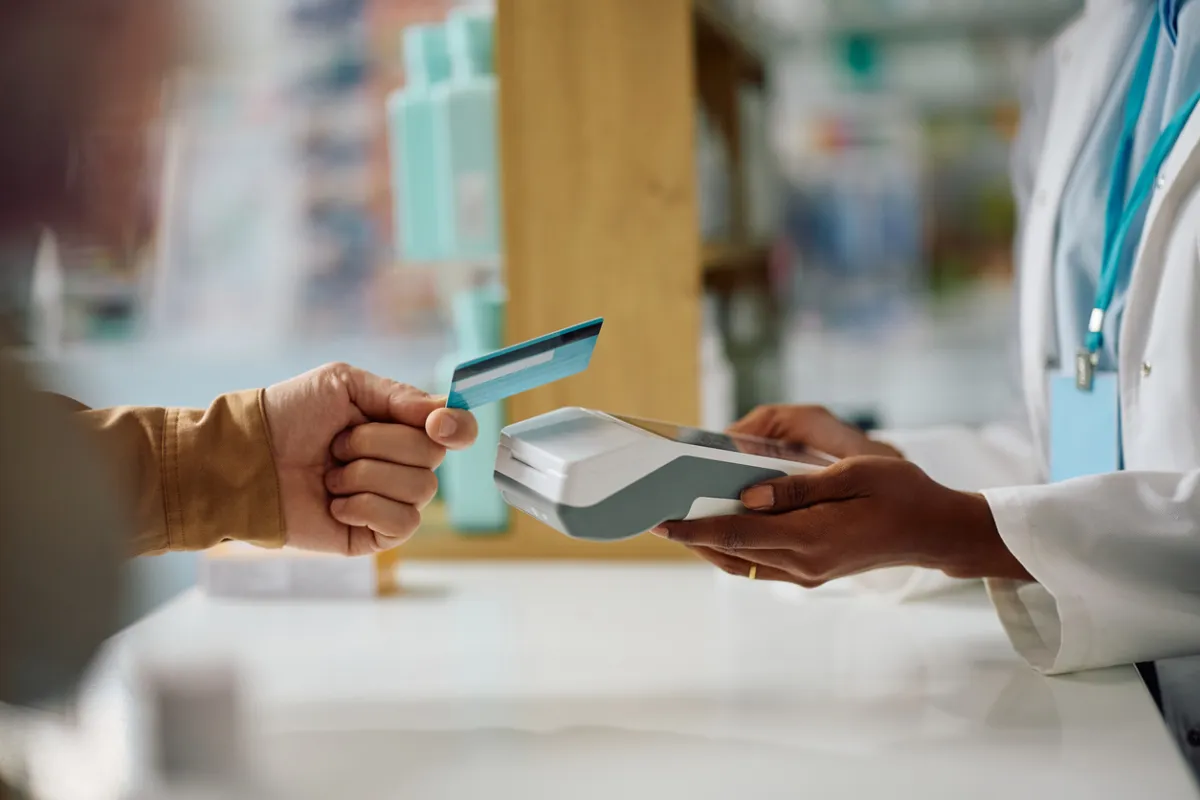
What Is an ePOS System?
An ePOS system is the combination of hardware and software that a business uses to process sales, manage stock, and track performance. This guide explains what an ePOS system actually is, how it works, and what small businesses should know before choosing one.
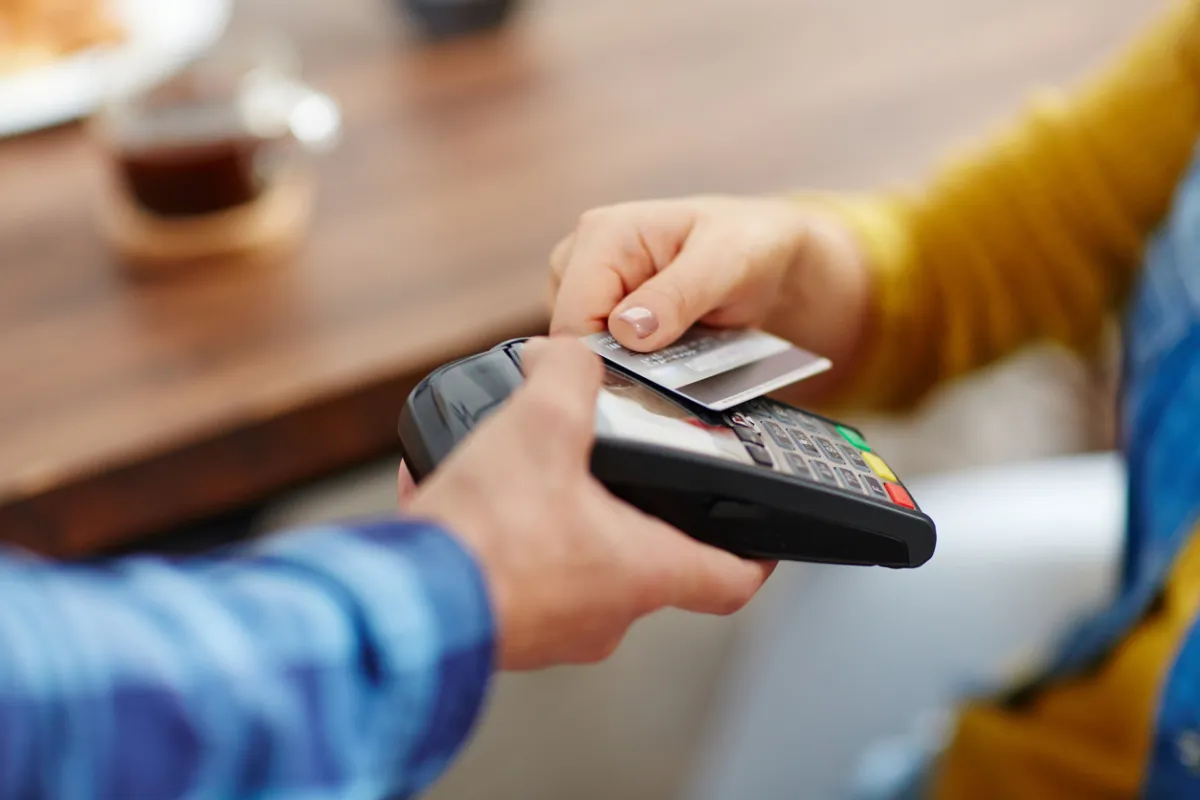
ePOS Systems for Retail
Retail ePOS systems are built around stock. Managing what you have, what you sell, and what you need to reorder is the core function that everything else is built on top of. This guide explains what retail businesses actually need from an ePOS and how to choose one that fits.