
Van Insurance Guide
 Sam Griffin
If you drive a van, you need insurance. But van insurance is not simply car insurance applied to a different vehicle. How your van is used, what it carries, and whether it is for work or personal trips all affect what cover you need and what it will cost. Getting this right matters. The wrong policy, or one where the declared use does not match reality, can leave you unprotected when you need to claim. This guide covers the main types of van insurance available, the factors that push premiums up or down, and the questions that catch people out when buying or renewing a policy.
What van insurance covers
Van insurance provides financial protection against the costs that can follow an accident, theft, fire, or damage involving your van. At its most basic, that means covering third-party claims made against you. If you are responsible for an accident that injures another person or damages their vehicle or property, your insurer handles the claim rather than you paying out of pocket.
Beyond that baseline, what your policy covers depends on the level of cover you choose and the specific terms of your policy. The three standard levels of van insurance are third party only, third party fire and theft, and comprehensive. Each builds on the last.
The three types of van insurance
Third party only is the minimum level of cover required by law in the UK. It pays out for claims made against you by other people following an accident you are responsible for. It does not cover your own van, any contents in it, or your own medical costs. For most drivers, third party only is a starting point on paper rather than a practical choice, because it leaves your van and everything in it entirely unprotected.
Third party, fire and theft (TPFT) adds cover for your van being stolen or damaged by fire. If your van is taken or written off in a fire, your insurer will pay out up to the agreed or market value of the vehicle. You are still not covered for accidental damage to your own van, whether that is a collision, a car park scrape, or flood damage. TPFT suits drivers who want more than the legal minimum but are prepared to absorb the cost of accidental damage themselves, usually because the van is older and its value does not justify a higher premium.
Comprehensive includes everything in the other two levels plus cover for accidental damage to your own van, regardless of who is at fault. If you are in a collision and your van needs repair, your insurer covers the cost minus your excess. Many comprehensive policies also include windscreen cover, courtesy van provision, and sometimes breakdown assistance, though these extras vary by insurer and are worth checking before you buy. Comprehensive cover has become increasingly competitive in price terms; for a newer or higher-value van, it is often not significantly more expensive than TPFT once the difference in excess and scope of cover is factored in.
Business use vs personal use
This is one of the most important distinctions in van insurance, and one of the most common reasons claims are rejected. Getting it wrong does not just lead to a declined claim; it can also void your policy entirely.
Van insurance policies are divided into social, domestic and pleasure (SDP) use and various levels of business use. SDP covers personal journeys such as shopping, leisure trips, and the school run. It does not cover you if you are using the van for work, commuting to a fixed place of work, or carrying tools or goods for a business purpose.
If you use your van for work at all, you need a policy that includes business use cover. The level you need depends on how the van is used. Most insurers distinguish between driving to a single fixed place of work, travelling between multiple work sites, and operating commercially as part of a haulage, courier, or delivery business. Commercial use of the latter kind is typically underwritten separately and costs more than standard business use cover.
Be precise about how you use the van when taking out or renewing a policy. Understating the use to reduce the premium is misrepresentation. If you claim under a policy that does not cover how the van was actually being used at the time of an incident, the insurer is within their rights to reject the claim and cancel the policy.
Goods in transit cover is a separate product from van insurance. If you carry tools, equipment, or stock in your van as part of your work, those items may not be covered under your van insurance policy. A goods in transit policy covers the contents of the van against loss, theft, or damage while being transported. Check what your policy includes and does not include before assuming your tools are protected.
What affects the cost of van insurance
Van insurance premiums are calculated from a combination of factors relating to the vehicle, the driver, the declared use, and where the van is kept. Understanding what drives the cost makes it easier to manage.
The van itself. Larger, more powerful, or higher-value vans cost more to insure. A long-wheelbase panel van will be rated differently from a small car-derived van. Modifications, even practical ones like racking or a roof rack, can affect the premium if they change the van's risk profile or value.
Driver profile. Age, driving experience, licence history, and claims record all feed into the calculation. Younger or newly qualified drivers typically pay significantly more. A clean licence and a no-claims discount built over several years is the most reliable way to keep the cost down over time.
Annual mileage. The more miles you cover, the greater the statistical exposure to a claim. Declared mileage is a direct input into how your premium is priced. Under-declaring mileage to get a lower quote is misrepresentation and gives an insurer grounds to reject a claim.
Overnight location. A van parked on a private driveway or in a locked garage is seen as a lower theft risk than one left on the street. If you have a secure overnight parking arrangement, declare it accurately.
Occupation and use. Business use is rated as higher risk, particularly for multi-drop, courier, or haulage operations. The nature of your work and how the van is used commercially will be factored into the underwriting decision.
Named drivers. Adding drivers affects the premium depending on their own risk profile. All regular drivers should be named on the policy; failing to name someone who regularly drives the van can give an insurer grounds to decline a claim they make. Fronting, where a lower-risk driver is listed as the main driver when they are not, is a form of insurance fraud.
Voluntary excess. You can choose to take on a higher share of any claim cost yourself. A higher voluntary excess reduces the premium but means more out of pocket if you do claim. Only increase the voluntary excess to a level you could genuinely afford to pay.
What van insurance does not cover
Standard van insurance policies have exclusions that are worth knowing before you need to make a claim.
Wear and tear. Insurance covers sudden or accidental damage, not gradual deterioration. Mechanical failure, worn tyres, and routine maintenance are not insured events.
Contents and personal belongings. Unless your policy specifically includes tools cover or goods in transit cover, items inside the van are not covered. A separate policy is needed for tools, equipment, or stock.
Unauthorised drivers. If someone not named on your policy drives the van and is involved in an incident, the insurer is likely to decline the claim. Make sure all regular drivers are named accurately.
Use outside the policy terms. If the van is used for a purpose not covered by the declared use on the policy (for example, courier deliveries on a standard business use policy), you may not be covered for any incident that occurs in the course of that use.
Excess. Every policy has a compulsory excess set by the insurer, plus any voluntary excess you have chosen. This is the amount you pay toward a claim before the insurer covers the rest. A high combined excess can mean a small or moderate claim is not worth making. Check the total excess before you buy.
How to reduce the cost of van insurance
Van insurance premiums have risen in the UK over the past few years as repair costs, parts prices, and claim frequency have all increased. There is only limited scope to change your risk profile, but a few practical steps can make a difference.
Improve security. A Thatcham-approved tracker, immobiliser, or deadlock reduces the theft risk and is recognised by most insurers. Fitting one can reduce your premium and is particularly worth considering if your van is kept on the street overnight.
Pay annually. Monthly payment plans include a financing charge built into the cost. Paying the full year upfront typically works out cheaper. If cash flow is a constraint, the saving is worth calculating before you default to monthly.
Compare before renewal. Insurers rely on inertia at renewal time. The figure on your renewal notice is rarely the best available price for your profile. Comparing in the weeks before renewal is one of the most consistent ways to avoid overpaying.
Limit named drivers where accurate. Adding drivers affects the premium. If the van is genuinely only driven by one person, a single-driver policy will cost less than one with multiple named drivers.
Declare everything accurately. The temptation to shave a few pounds by understating mileage or use is understandable, but it creates a much larger problem if you ever need to claim. Accurate declarations are not just a legal obligation; they are the only way to ensure the policy you are paying for will actually pay out when it matters.
Frequently asked questions
Is van insurance more expensive than car insurance?
Generally yes, though the gap varies. Vans are larger, more expensive to repair, and more commonly used for commercial purposes, all of which increase the risk profile compared to a standard car. That said, a small car-derived van used only for personal trips can attract a premium comparable to equivalent car insurance cover.
Do I need separate insurance for my tools?
Yes, in almost all cases. Standard van insurance does not cover tools or equipment in the van. You need a goods in transit policy or a dedicated tools insurance policy. Some business insurance packages bundle this cover in, but check the specific terms of any policy before assuming your tools are included.
Can I use my car insurance to drive a van?
Not reliably. Some car insurance policies include driving other vehicles (DOC) cover that extends to vehicles you do not own, but this varies significantly between policies and is not universal. If it is included, it typically provides only third party cover. If you regularly drive a van, a dedicated van insurance policy is the right approach rather than relying on an extension of your car cover.
What is the difference between van insurance and a fleet policy?
Van insurance covers a single named vehicle. A fleet policy covers multiple vehicles under one agreement, typically from two or more vehicles. If you run several vans, a fleet policy simplifies administration and can offer more competitive rates per vehicle than individual policies.
What happens if I drive my van without insurance?
Driving without valid insurance is a criminal offence. The police can issue a fixed penalty of £300 and six penalty points on the spot. If the case goes to court, an unlimited fine and driving disqualification are possible. Uninsured vehicles can also be seized. The cost of getting caught without insurance is substantially higher than the cost of the policy itself.
Can I get van insurance as a young driver?
Yes, though the premium will be higher than for an older, more experienced driver. Insurers rate young van drivers as higher risk, particularly for commercial use. A telematics policy, where your driving behaviour is monitored and the premium adjusted accordingly, can be a route to more manageable costs for younger drivers with a safe driving record.
HowMuch Holdings Ltd. is an Introducer Appointed Representative of Seopa Ltd, FCA FRN 313860. Insurance comparison services are provided by Seopa Ltd.
This article is for informational purposes only and does not constitute financial advice. Always seek independent advice before making financial decisions.
Related articles

Temporary Car Insurance
Temporary car insurance covers you for a defined period, from a single day to a few months, without affecting the main policyholder's no-claims discount. This guide explains when it makes sense, how it works, and what to check before you buy.

Temporary Van Insurance Explained
Temporary van insurance gives you cover for a van you do not own, or for a short period when you do not need a full annual policy. This guide explains how it works, when it makes sense, and what to check before you buy.
Classic Car Insurance
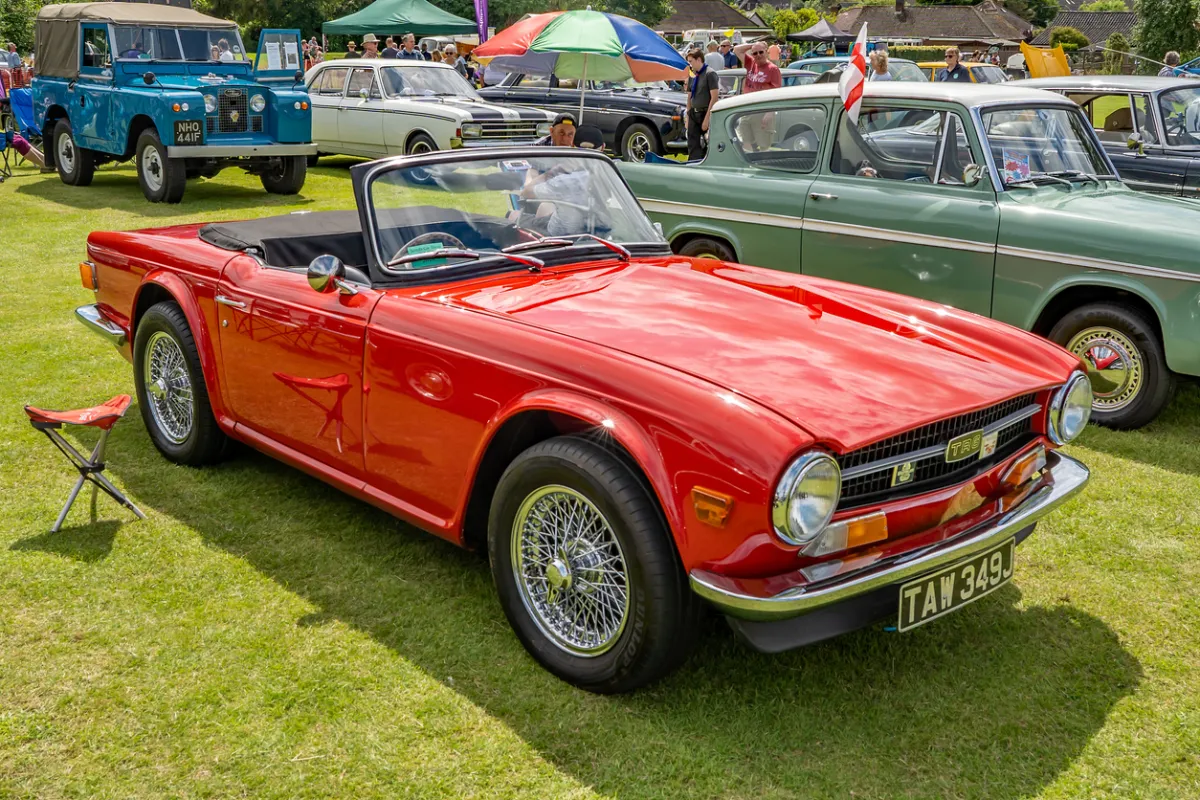
Standard car insurance pays out market value after a total loss, and for a classic car that has held or increased its value over decades, that figure is often less than the car is actually worth. This guide explains how specialist classic car insurance works and why agreed value cover matters.