
Moped Insurance Explained
 Kevin Harvey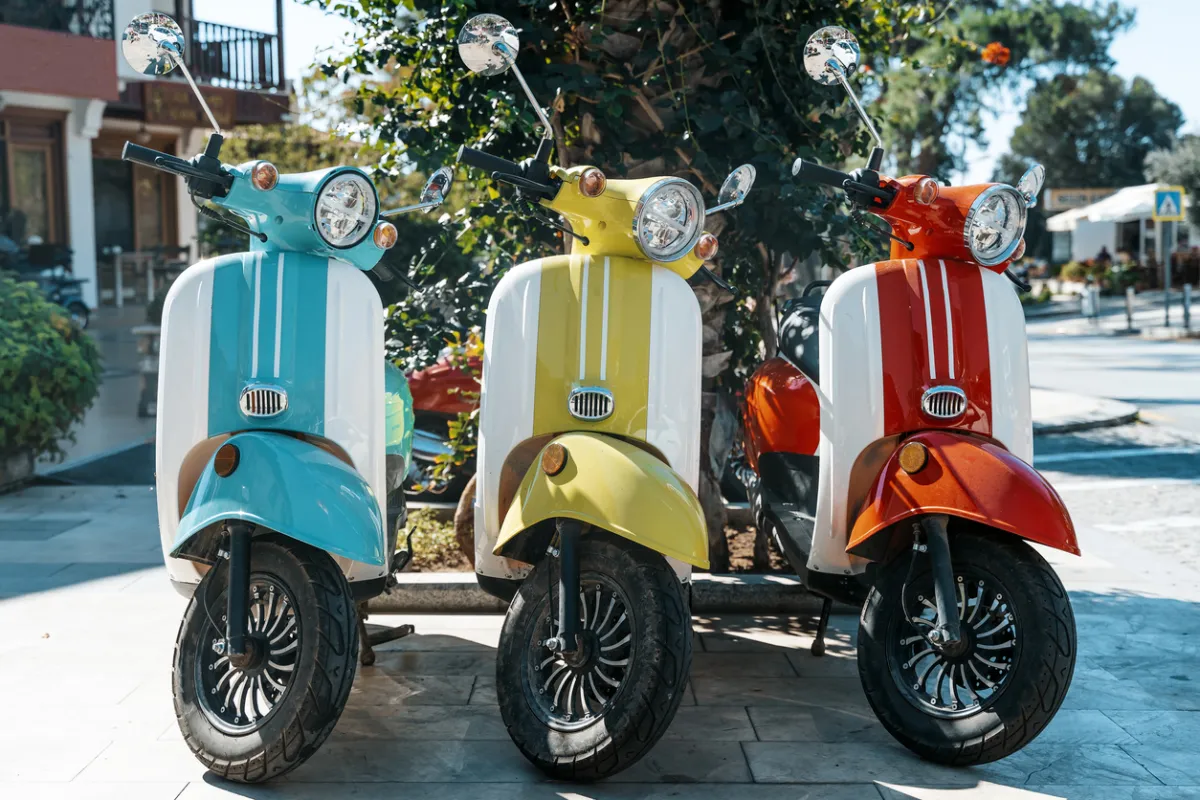
Mopeds sit in their own category in the insurance market. They are not motorcycles, even though many people treat the terms as interchangeable. The differences in engine size, speed limit, and the licence requirements that apply to them produce a distinct insurance profile. Whether you are 16 and riding your first motorised vehicle, or a commuter looking for a low-cost way to get around town, understanding how moped insurance works means you can make a better decision about your cover.
What Counts as a Moped
In the UK, a moped is defined as a two-wheeled vehicle with an engine up to 50cc and a maximum design speed of 45 kilometres per hour (28 miles per hour). This is a legal definition, not just a style description. Anything that exceeds either limit is classified as a motorcycle rather than a moped, which changes the licence requirements and the insurance category.
The minimum age to ride a moped is 16, after completing a CBT. Riders who passed their car driving test before 1 February 2001 may ride a moped without a CBT under an older entitlement, but for everyone else the CBT is required before riding on public roads.
The AM licence category covers mopeds. A full motorcycle licence at any level allows you to ride a moped too, but most moped riders are either beginners on the AM category or those who have held a licence for years and simply want a practical urban vehicle.
Who Rides Mopeds and Why It Matters for Insurance
The mix of riders on mopeds is broader than most people assume, and it shapes the insurance market significantly.
Young riders aged 16 to 17 account for a significant proportion of moped use, and they pay the highest premiums. The statistical likelihood of a 16-year-old making a claim is measurably higher than for an older rider, and insurers price accordingly.
Urban commuters of all ages use mopeds for their running costs, ease of parking, and ability to move through city traffic. For this group, the key insurance considerations are theft cover (mopeds are a popular target in cities), what use the policy covers, and whether commuting is included as standard or costs extra.
Delivery and courier riders are a growing category. Standard moped insurance does not cover commercial or hire and reward use. If you are using a moped to make deliveries, whether for a platform like Deliveroo or independently, you need a policy that specifically covers this. Hire and reward insurance is a separate product and typically costs more than a standard social or commuting policy.
Types of Moped Insurance Cover
Moped insurance follows the same three-tier structure as motorcycle insurance.
Third party only is the legal minimum. It covers other people and their property if you cause an accident, but nothing happens to your moped or any injuries you sustain.
Third party, fire and theft adds cover if your moped is stolen or damaged by fire. This is a popular choice for older or lower-value mopeds where comprehensive cover is hard to justify against the bike's market value.
Comprehensive covers accidental damage to your own moped alongside the third party protections. For a newer or higher-value moped, comprehensive is generally the right level of cover. As with motorcycle insurance, it is sometimes competitively priced against TPFT because of how insurers read risk at the policy level.
What Affects Your Moped Insurance Cost
Several factors come into play when an insurer prices a moped policy.
Age. The single biggest factor for younger riders. The premium gap between a 16-year-old and a 25-year-old riding the same moped in the same location is substantial.
Location. Urban postcodes attract higher premiums due to theft risk. Inner-city riders pay more than those in suburban or rural areas, often significantly so.
Storage. A moped kept in a locked garage overnight attracts a lower premium than one parked on the street. If you have the option to garage or secure your moped, it is worth factoring into your insurer's questions.
Security devices. A quality lock and chain, disc lock, or approved alarm all reduce theft risk and can bring the premium down. Answering the security questions on a comparison accurately and then actually having those measures in place is both a legal obligation and a practical necessity.
Policy use. A policy covering social, domestic, and pleasure use only is cheaper than one that includes commuting. If you use the moped to travel to work, you need a policy that covers commuting. Riding under the wrong policy use invalidates your cover.
Claims history. A clean record reduces the premium over time. New riders start without any claims history, which is one of the main reasons first-year premiums are high.
What to Check When You Compare
Before choosing a policy, it is worth checking a few things beyond the headline premium.
Confirm the policy covers your intended use. Social only, social and commuting, and business use are distinct categories. If you commute on the moped, make sure commuting is explicitly included.
Check the excess carefully. New riders in particular should be cautious about setting a high voluntary excess to reduce the premium. A lower upfront cost combined with a very high excess means a large out-of-pocket payment if you need to claim.
Accessories and modifications are worth declaring. A top box, custom paint, aftermarket parts, or any modification to the standard specification should be disclosed to your insurer. Undisclosed modifications can invalidate a claim.
Agreed value versus market value is relevant for mopeds, which depreciate quickly. A market value settlement on an older moped may result in a payout well below what you paid for the bike. Some policies offer agreed value cover, which fixes the settlement amount in advance.
You can get a motorbike insurance quote to compare moped policies based on your specific profile and location.
Frequently asked questions
Do I need insurance before I take my CBT?
Yes. You cannot legally ride on public roads without insurance, including travelling to your CBT test centre. Many learner riders take out short-term insurance for the CBT day itself if they are riding their own moped. If your CBT provider supplies the moped for the training, your cover for that vehicle is typically included in the training fee, but check before you book.
Does my moped insurance cover me to ride abroad?
UK moped insurance typically includes a minimum level of third party cover for riding in EU countries under the terms of most policies, but the extent of that cover varies. Comprehensive cover often reduces to third party only when riding abroad. If you plan to use a moped in another country, check your policy wording and consider purchasing additional European cover if you need more than the minimum.
Can I insure a moped if I have previous convictions on my licence?
Motoring convictions, including those from car driving, must be declared when taking out moped insurance. Failure to declare them is grounds to void the policy. Many mainstream insurers will still provide cover with minor convictions, though the premium will be affected. Specialist insurers handle more complex conviction histories. The important thing is to declare accurately rather than assuming a conviction does not need to be mentioned.
Is it cheaper to insure a moped or a 125cc motorcycle?
There is no universal answer. Some 125cc models, particularly practical commuter-oriented ones, are cheaper to insure than certain mopeds that attract a young rider profile. The premium depends on the specific model, the rider's age and location, and the level of cover. The most reliable way to compare is to run quotes for both vehicles against your own profile. The general assumption that mopeds are always cheaper to insure is not always borne out in practice.
HowMuch Holdings Ltd. is an Introducer Appointed Representative of Seopa Ltd, FCA FRN 313860. Insurance comparison services are provided by Seopa Ltd.
This article is for informational purposes only and does not constitute financial advice. Always seek independent advice before making financial decisions.
Related articles

Temporary Car Insurance
Temporary car insurance covers you for a defined period, from a single day to a few months, without affecting the main policyholder's no-claims discount. This guide explains when it makes sense, how it works, and what to check before you buy.
Temporary Van Insurance Explained
Temporary van insurance gives you cover for a van you do not own, or for a short period when you do not need a full annual policy. This guide explains how it works, when it makes sense, and what to check before you buy.
Classic Car Insurance
Standard car insurance pays out market value after a total loss, and for a classic car that has held or increased its value over decades, that figure is often less than the car is actually worth. This guide explains how specialist classic car insurance works and why agreed value cover matters.