
125cc Motorbike Insurance Guide
 Kevin Harvey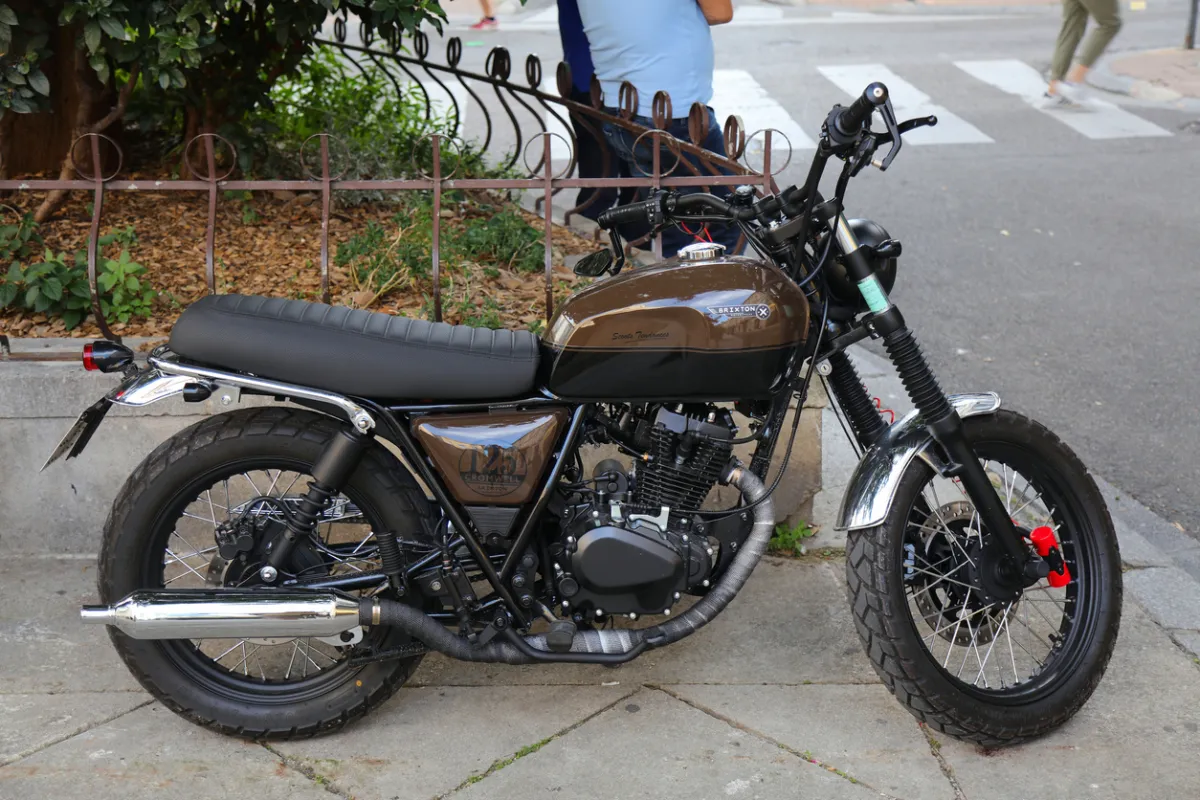
The 125cc motorcycle occupies a specific place in the UK licence system. Once you have completed your CBT, it is the largest engine size you can ride on L-plates. That ceiling shapes the market for these bikes and has a direct effect on how they are insured. Whether you are buying your first 125 as a learner or looking to understand how the insurance works before you do, the considerations are a bit different from the wider motorcycle market.
Why 125cc Bikes Have Their Own Insurance Considerations
The learner category shapes the 125cc market in a way that makes it distinct from the rest of motorcycling. Because it is the maximum you can ride after a CBT, 125cc bikes attract a concentration of new and inexperienced riders. Insurers know this and price accordingly.
The bike itself also matters more than the engine size alone suggests. A 125cc sports model and a 125cc commuter might share an engine displacement, but they sit in different insurance groups. Performance variants within the 125 class tend to attract higher premiums than more practical commuter-oriented models. If cost is a priority, the insurance group of the specific model you are considering is worth checking before you buy.
Theft is a particular concern for 125cc bikes, especially in urban areas. They are light enough to be lifted into a van, widely available as second-hand parts, and popular targets for opportunistic theft. Theft claims are a significant component of 125cc insurance costs, particularly in city postcodes.
What Affects the Cost of Insuring a 125cc
The factors that drive 125cc insurance costs are similar to the broader market, but a few carry extra weight for this category.
Rider age. Young riders, particularly those aged 16 to 20, pay the most for 125cc insurance. The age factor is significant for this category because the minimum age to ride after a CBT is 17 (16 for mopeds), meaning a meaningful proportion of 125cc riders are young.
Location. Urban postcodes carry significantly higher theft premiums than rural ones. A 125cc rider in central London or another major city will pay considerably more than an equivalent rider in a market town, even with an identical bike and riding profile.
Bike model. As noted above, the specific model matters. Checking the insurance group of a bike before you buy it is a straightforward step that can make a significant difference to what you pay. Manufacturers publish insurance group information, and comparison sites allow you to estimate insurance costs before you commit.
Storage. Where the bike is kept overnight is one of the most direct things you can control. A bike garaged at home attracts a lower premium than one parked on a public street. Even a locked courtyard or shared secure parking is better than an open road.
Security devices. An approved lock, chain, and disc lock combination reduces theft risk and can bring the premium down. A Thatcham-approved alarm or immobiliser adds further protection. Insurers ask specifically about security measures and factor them into the quote.
Security Matters More Than Most New Riders Expect
For 125cc bikes, security deserves its own section rather than a passing mention. The theft rates for these bikes are disproportionately high relative to their value, and a stolen 125cc represents a significant loss for a new rider who may have limited insurance payout expectations.
A good quality chain and lock through the frame and rear wheel, secured to an immovable object, is the baseline. A disc lock as an additional deterrent adds friction for anyone trying to move the bike quickly. Some riders add a tracker, which does not prevent theft but significantly improves recovery rates and can attract an insurance discount.
Covering the bike with a plain cover when parked in public conceals the make and model, which reduces the chance of targeted theft by thieves looking for specific popular models. It is a low-cost measure that is worth doing.
When you compare insurance, the questions about security are not just formalities. Answering them accurately and honestly, and genuinely having the security measures in place, is both a legal obligation and a practical protection.
Choosing the Right Level of Cover
For a new 125cc bike, comprehensive cover is usually the right choice. It covers damage to your own bike in an accident regardless of fault, which matters for a new rider who is statistically more likely to have an incident in the early months of riding.
For an older, lower-value bike, third party fire and theft can make financial sense. If the bike is worth very little, the cost of comprehensive cover may exceed what you would receive in a settlement for accidental damage. The calculation is straightforward. If the bike is worth less than the difference in premium between comprehensive and TPFT, comprehensive may not be worth paying for.
Accessories and modifications are worth declaring. A top box, aftermarket exhaust, or cosmetic modifications all affect the bike's value and its insurance position. Failing to declare them can invalidate a claim.
You can get a motorbike insurance quote to compare options for your specific 125cc bike.
What Changes When You Pass Your Full Test
Passing your full motorcycle test changes your insurance position in a few meaningful ways.
The L-plates come off. You can carry a pillion passenger, ride on motorways, and remove the 125cc engine size ceiling. Your licence moves from the learner category to A1 (if you pass on a 125cc bike at 17) or A (if you pass on a larger bike at the appropriate age).
Your insurer will want to know about the test pass and may need to update your policy. Some policies automatically improve when you pass; others require you to inform the insurer and may result in a revised premium. Contact your insurer when you pass rather than waiting until renewal.
If you are moving to a more powerful bike, you will need a new policy for the new machine. The no-claims history you have built on the 125cc will typically transfer to the new policy, which is one of the more tangible rewards for riding carefully in your first year or two.
If you want to keep the 125cc as a second bike, multi-bike policies allow you to insure more than one motorcycle under a single policy, sometimes with cost savings compared to two separate policies.
Frequently asked questions
Can I ride a 125cc on a car licence?
Not without completing a CBT first. Passing your car driving test before 1 February 2001 did give entitlement to ride a moped (up to 50cc) without further training under the old rules, but this does not extend to 125cc bikes. Anyone wishing to ride a 125cc needs to complete a CBT, regardless of when they passed their car test.
Is a 125cc bike worth insuring comprehensively if it is old?
It depends on the bike's value relative to the premium difference between comprehensive and third party fire and theft. For a bike worth less than a few hundred pounds, the additional cost of comprehensive cover may not be justified if an accidental damage settlement would be minimal anyway. For any bike worth more than roughly £1,000 to £1,500, comprehensive is usually worth it. Run the maths for your specific situation rather than assuming either way.
Will my 125cc insurance cover me for track days?
Standard road insurance policies do not cover track days. Track riding requires separate track day insurance, typically arranged as a one-day policy specifically for the event. If you plan to take the 125cc to a track day or training session, check in advance rather than assuming your road policy extends to that use.
How do I know if a 125cc model is cheap or expensive to insure before I buy?
Every production bike in the UK is assigned an insurance group, with lower numbers being cheaper to insure. You can find a bike's insurance group by searching the make and model through the Association of British Insurers group rating system. Running a comparison quote before purchasing gives you an accurate picture of the likely cost based on your own profile and location, which is more useful than a general group rating.
HowMuch Holdings Ltd. is an Introducer Appointed Representative of Seopa Ltd, FCA FRN 313860. Insurance comparison services are provided by Seopa Ltd.
This article is for informational purposes only and does not constitute financial advice. Always seek independent advice before making financial decisions.
Related articles

Temporary Car Insurance
Temporary car insurance covers you for a defined period, from a single day to a few months, without affecting the main policyholder's no-claims discount. This guide explains when it makes sense, how it works, and what to check before you buy.

Temporary Van Insurance Explained
Temporary van insurance gives you cover for a van you do not own, or for a short period when you do not need a full annual policy. This guide explains how it works, when it makes sense, and what to check before you buy.
Classic Car Insurance
Standard car insurance pays out market value after a total loss, and for a classic car that has held or increased its value over decades, that figure is often less than the car is actually worth. This guide explains how specialist classic car insurance works and why agreed value cover matters.