
Financial Guides and Articles
Plain-English guides on business banking, insurance and more.
Featured

What Is Invoice Finance?
Invoice finance lets you release cash tied up in unpaid invoices without waiting for customers to pay. It comes in two main forms, factoring and discounting, each suited to different business types and situations. Here is how to work out which one fits yours.
How to Structure Payment Terms (and avoid disputes before they start)
The best invoice disputes to avoid are the ones you prevent. Two disputes from earlier in my career, and what they taught me about structuring payment terms properly from the start.

How to Resolve an Invoice Dispute
An invoice dispute is different from a late payment. The client is contesting what you are owed, not just delaying it. Here is how to assess the dispute, negotiate a resolution, and know when to escalate.

How Do Commercial Mortgages Work?
A commercial mortgage works by giving the lender a legal charge over a business property. Here is what happens at each stage, from application through valuation, legal completion, and repayment.

What Is a Secured Business Loan?
A secured business loan is one where you put up an asset as collateral in exchange for lower rates and higher borrowing amounts. Here is what that means in practice, who can get one, and when it makes sense.

How Do Secured Business Loans Work?
A secured business loan works by giving the lender a legal claim over an asset you own. Here is what happens at each stage, from application through to repayment and what occurs if you cannot keep up.

Secured vs Unsecured Business Loans. What's the Difference?
Secured loans use an asset as collateral and offer lower rates and larger amounts. Unsecured loans are faster and need no collateral but cost more. Here is how the two compare and how to choose.
Why Timing Isn't the Whole Story for Startup Finance
James Robson argues the SME finance industry has spent a decade chasing the wrong problem: it's timing, not access. He's right, for established businesses. But for startups and first-year companies with no trading history to time, access is still very much the real issue.

Small Business Grants UK
Grants are funding you do not have to repay and do not give away equity to receive. For small businesses, they represent the cheapest form of external funding available. The challenge is knowing where to find them and whether your business is likely to qualify. This guide covers both.

Short-Term Business Loans
Short-term business loans are designed for situations where you need capital quickly and for a defined, near-term purpose. They are not a cheaper version of a longer-term loan. They are a different product with a different cost structure and a different set of use cases. This guide explains how they work and when they are the right choice.

Working Capital Loans
Working capital gaps are common and they are solvable. Whether a working capital loan or invoice finance is the right solution depends on what is causing the gap. Getting that diagnosis right before you borrow saves time and money. This guide explains both options and how to decide between them.

Start-Up Business Loans
Start-ups face a funding challenge that more established businesses do not. Most lenders want trading history you have not yet had time to build. The options available are more varied than most people expect, but they require knowing where to look. This guide covers the full picture.
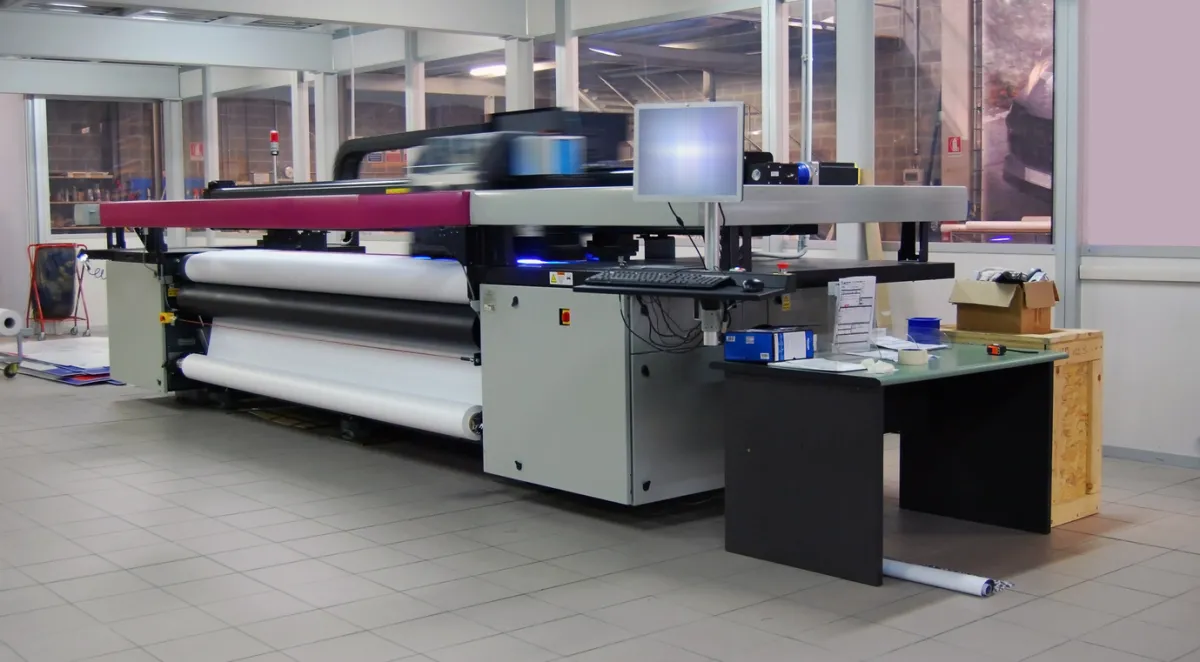
Asset Finance Explained
Asset finance lets businesses acquire equipment, vehicles, and machinery without paying for them upfront. It covers several different products that work in distinct ways. This guide explains how each type works, when to use them, and what lenders actually look at when assessing a deal.

Business Loans for Sole Traders
Getting a business loan as a sole trader is possible, but the market works differently to how it does for limited companies. This guide covers your options, what lenders look for, and the government-backed scheme worth knowing about.

Unsecured vs Secured Business Loans
The choice between a secured and unsecured business loan comes down to how much you need, what assets your business holds, and how much risk you are comfortable taking on. This guide explains how each works and which is likely to suit your situation.